Hospital Inpatient Programs for Teens & Young Adults
Hospital inpatient care is the most medically intensive level, built for young people whose situation is complicated by severe withdrawal, a serious medical issue, or a psychiatric emergency alongside substance use. Physicians, nurses, and monitoring are available 24/7, and stays are usually short — about 7-30 days — to stabilize before stepping down. Most teens then move into residential or outpatient care to continue treatment.
Not Sure Where to Start?
Browse the directory or call to talk through options for your teen or young adult.
Understanding Hospital Inpatient
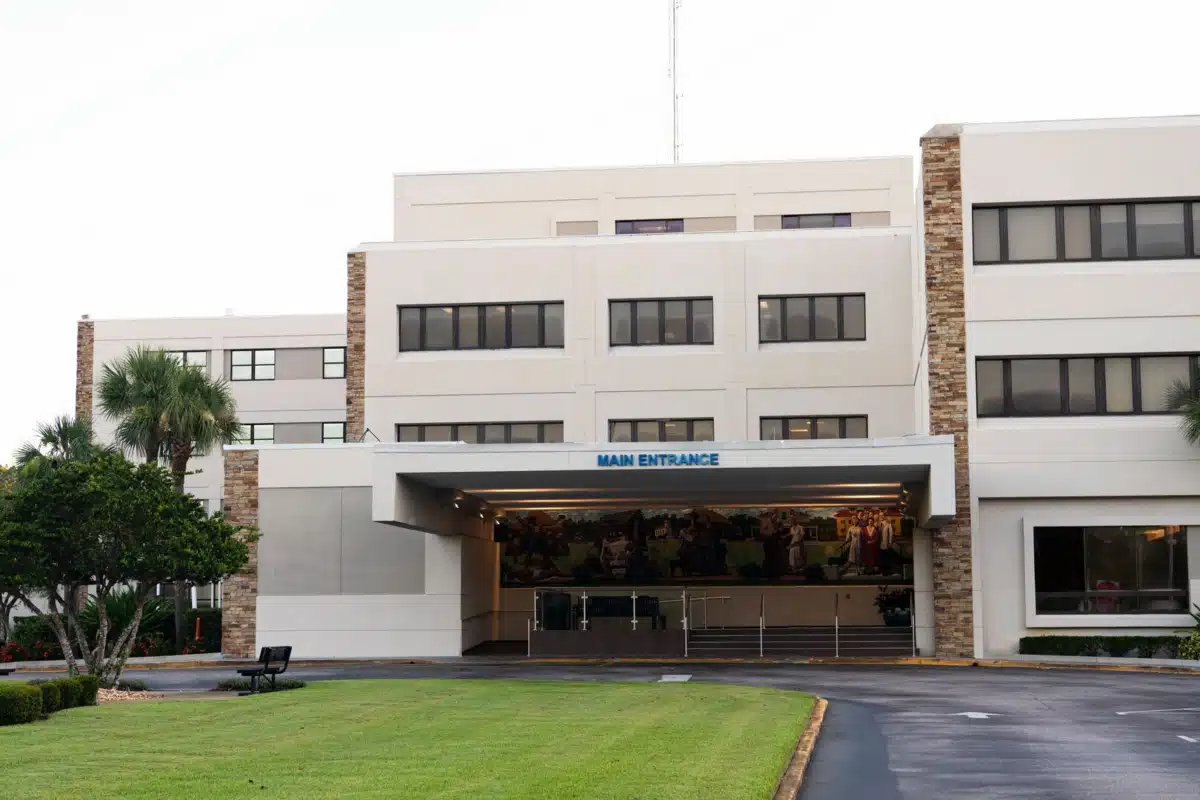
Hospital inpatient treatment offers the highest level of medical supervision for addiction. POSAFY helps families find hospital-based programs with full medical and psychiatric staffing for young people who need it.
When Hospital-Level Care Is Needed
Hospital inpatient care is the right level when there is:
- Severe withdrawal that needs intensive medical monitoring
- A serious co-occurring medical condition
- An acute psychiatric emergency alongside substance use
- Overdose stabilization and close follow-up
- Repeated setbacks at lower levels of care
How Hospital Care Differs From Residential
Unlike residential rehab, hospital inpatient programs keep physicians, nurses, and medical equipment on hand 24/7. This setting matters most when substance use is complicated by a medical or psychiatric condition that needs continuous clinical monitoring. Hospital stays are usually shorter (7-30 days) before a young person moves on to residential or outpatient care.
Stepping Down to Ongoing Treatment
Once a young person is medically stable, they typically step down to residential treatment or partial hospitalization to keep doing the therapeutic work in a less medically intensive setting.